Written by Lucas Hernández
Founder of Financial Boost Guide
Last Updated: July 2026
Reading Time: 8–10 minutes
Financial Boost Guide provides beginner-friendly educational content about investing, personal finance, saving money, and building long-term wealth.
➡️ Learn more about our mission on our About page.
Managing your money becomes much easier when you have a clear plan for where it should go each month.
This is exactly what a monthly budget is designed to do.
Unfortunately, many people associate budgeting with restrictions, complicated spreadsheets, or giving up the things they enjoy.
In reality, a good budget gives you more freedom, less financial stress, and greater control over your future.
A monthly budget helps you understand your income, track your expenses, identify unnecessary spending, and make progress toward your financial goals.
Whether you want to save more money, pay off debt, build an emergency fund, or start investing, budgeting is often the foundation of financial success.
In this guide, you’ll learn:
- What a monthly budget is.
- Why budgeting is important.
- How to create a budget step by step.
- Common budgeting mistakes to avoid.
- The best budgeting methods for beginners.
- How to make your budget work long term.
By the end of this article, you’ll know exactly how to create a monthly budget that actually works in 2026 and beyond.
Table of Contents
What Is a Monthly Budget?
A monthly budget is a financial plan that helps you organize your income and expenses over a specific period, usually one month.
Its main purpose is to ensure that you spend less than you earn and allocate your money toward your financial priorities.
A budget allows you to see exactly where your money is going and helps you make intentional financial decisions rather than reacting to expenses as they appear.
Why Is Budgeting Important?
Many people struggle financially not because they earn too little, but because they don’t know where their money goes each month.
Creating a monthly budget helps you:
- Track your spending habits.
- Reduce unnecessary expenses.
- Save more money.
- Pay off debt faster.
- Build an emergency fund.
- Reach long-term financial goals.
A Budget Gives You Control
Contrary to popular belief, budgeting is not about restricting your lifestyle.
A good budget simply tells your money where to go instead of wondering where it went.
It allows you to spend on the things that matter most to you while staying financially responsible.
Every Budget Looks Different
There is no single “perfect” budget that works for everyone.
Your ideal budget depends on factors such as:
- Your income.
- Your financial goals.
- Your family situation.
- Your lifestyle preferences.
- Your debt obligations.
The key is finding a system that you can maintain consistently over time.
A monthly budget that you follow is always better than a perfect budget that you abandon after a few weeks.
Calculate Your Monthly Income
Before creating a budget, you need to know exactly how much money you bring in each month.
This number forms the foundation of your entire financial plan.
Include All Sources of Income
Your monthly income may include:
- Salary from your job.
- Freelance or side hustle income.
- Rental income.
- Investment income.
- Government benefits.
- Any other regular sources of money.
Use Your Net Income
For budgeting purposes, it is usually best to work with your net income rather than your gross income.
Net income is the amount of money you actually receive after taxes and deductions have been taken out.
For example:
| Income Source | Monthly Amount |
|---|---|
| Salary | $2,200 |
| Freelance Work | $300 |
| Side Hustle | $200 |
| Total Monthly Income | $2,700 |
What If Your Income Changes Every Month?
If your income varies from month to month, calculate your average income from the last six to twelve months.
Alternatively, you can base your budget on your lowest typical monthly income to create a more conservative financial plan.
Why This Step Matters
Many budgeting problems begin because people underestimate expenses or overestimate income.
Knowing your real monthly income allows you to create a realistic monthly budget that you can actually maintain over time.
Track Your Monthly Expenses
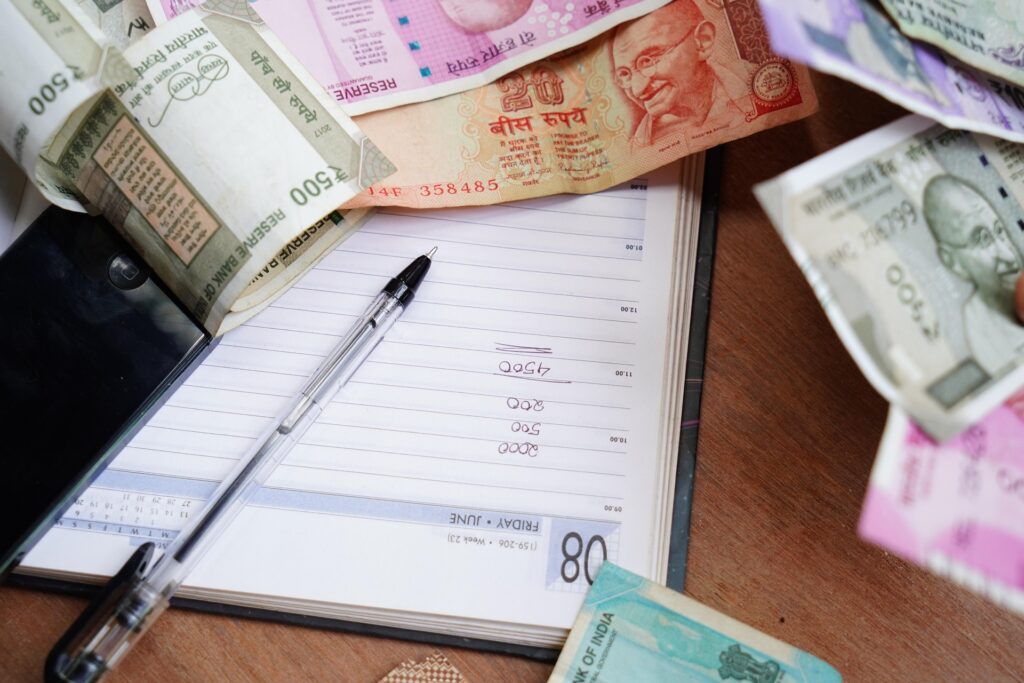
Once you know how much money you earn, the next step is understanding exactly where your money goes every month.
For many people, this is the moment they discover spending habits they were not fully aware of.
Separate Fixed and Variable Expenses
A simple way to organize expenses is to divide them into two categories:
Fixed Expenses
These costs stay relatively the same each month, such as:
- Rent or mortgage payments
- Car payments
- Insurance
- Internet and phone bills
- Subscription services
Variable Expenses
These costs can change from month to month, including:
- Groceries
- Fuel and transportation
- Entertainment
- Dining out
- Shopping
- Travel
Review Your Bank Statements
One of the easiest ways to track expenses is by reviewing your bank and credit card statements from the last two or three months.
This provides a realistic picture of your spending patterns.
Many people are surprised by how much money goes toward small daily purchases that add up over time.
Example Monthly Expenses
| Expense Category | Monthly Cost |
|---|---|
| Housing | $900 |
| Utilities | $150 |
| Groceries | $350 |
| Transportation | $200 |
| Entertainment | $150 |
| Savings | $300 |
| Miscellaneous | $200 |
Why Tracking Expenses Matters
You cannot improve what you do not measure.
Tracking expenses allows you to identify areas where you can reduce spending and redirect money toward savings, debt repayment, or investments.
This is one of the most important steps in creating a monthly budget that actually works.
Choose a Budgeting Method
Once you understand your income and expenses, the next step is choosing a budgeting system that fits your lifestyle and financial goals.
The best budget is not necessarily the most complicated one.
It is the one that you can consistently follow month after month.
The 50/30/20 Rule
One of the most popular budgeting methods is the 50/30/20 rule.
This system divides your after-tax income into three categories:
- 50% for needs such as housing, food, utilities, and transportation.
- 30% for wants such as entertainment, hobbies, dining out, and travel.
- 20% for savings and debt repayment.
For example, if your monthly income is $3,000:
| Category | Percentage | Monthly Amount |
|---|---|---|
| Needs | 50% | $1,500 |
| Wants | 30% | $900 |
| Savings and Debt | 20% | $600 |
Many beginners find this approach simple and easy to maintain.
Zero-Based Budgeting
Another popular method is zero-based budgeting.
With this system, every dollar of income is assigned a specific purpose until your budget reaches zero.
For example:
- Income: $3,000
- Expenses, savings, and investments: $3,000
- Remaining balance: $0
This method can provide excellent control over spending habits.
Pay Yourself First
Some people prefer to save and invest first before spending money on anything else.
This strategy automatically prioritizes financial goals and can make saving much easier over time.
Which Method Is Best?
There is no universal answer.
Some people prefer the simplicity of the 50/30/20 rule, while others enjoy the detailed control offered by zero-based budgeting.
The best monthly budget is the one that matches your lifestyle and helps you stay consistent over the long term.
Set Financial Goals
A budget becomes much easier to follow when you know exactly what you are working toward.
Financial goals give your money a purpose and help you stay motivated over the long term.
Short-Term Financial Goals
Short-term goals are typically achieved within one to three years.
Examples include:
- Building an emergency fund.
- Paying off credit card debt.
- Saving for a vacation.
- Buying a new laptop or car.
- Creating a cash reserve for unexpected expenses.
Medium-Term Financial Goals
These goals usually take between three and ten years to achieve.
Examples include:
- Saving for a house deposit.
- Starting a business.
- Paying off student loans.
- Funding higher education.
Long-Term Financial Goals
Long-term goals often require ten years or more of planning and saving.
Examples include:
- Retirement planning.
- Building an investment portfolio.
- Achieving financial independence.
- Creating passive income streams.
Make Your Goals Specific
Instead of saying:
“I want to save more money.”
Try saying:
“I want to save $5,000 for an emergency fund within the next 12 months.”
Specific goals are easier to measure and track.
Prioritize Your Goals
Not all financial goals are equally important.
For many people, the typical order is:
- Build an emergency fund.
- Pay off high-interest debt.
- Start investing regularly.
- Increase long-term savings.
Having clear priorities makes it easier to allocate money within your monthly budget.
Review Your Goals Regularly
Life changes, and your financial goals will change as well.
Reviewing your goals every few months helps ensure that your budget continues to support the things that matter most to you.
Review and Adjust Your Budget Every Month
One of the biggest reasons people fail with budgeting is expecting their first budget to be perfect.
In reality, a budget should be viewed as a flexible financial tool that evolves over time.
Your Expenses Will Change
Unexpected expenses happen to everyone.
You may face:
- Car repairs.
- Medical bills.
- Higher utility costs.
- Travel expenses.
- Seasonal spending during holidays.
Adjusting your budget when circumstances change is completely normal.
Compare Your Budget to Reality
At the end of each month, review your actual spending and compare it to your original budget.
Ask yourself:
- Did I stay within my spending limits?
- Which categories exceeded expectations?
- Where did I save money?
- What can I improve next month?
This process helps you create increasingly accurate budgets over time.
Avoid Being Too Strict
Many people create unrealistic budgets that leave no room for entertainment or personal spending.
As a result, they become frustrated and abandon budgeting altogether.
Including some flexibility makes your budget much easier to maintain long term.
Use Technology to Help
Budgeting apps, spreadsheets, and banking tools can simplify expense tracking and help automate parts of the budgeting process.
Many modern banking applications automatically categorize expenses, making it easier to monitor spending habits.
Progress Is More Important Than Perfection
A budget does not need to be perfect to be effective.
Even small improvements in spending habits can have a significant impact on your financial future over many years.
The goal of a monthly budget is not perfection.
The goal is awareness, consistency, and control over your finances.
Frequently Asked Questions
What is the best budgeting method for beginners?
The 50/30/20 rule is often considered one of the best budgeting methods for beginners because it is simple, flexible, and easy to follow.
How much of my income should I save every month?
Many financial experts recommend saving at least 20% of your income if possible.
However, the right amount depends on your financial goals, income level, and current expenses.
Should I budget if I have a low income?
Yes.
Budgeting becomes even more important when income is limited because it helps prioritize essential expenses and avoid unnecessary spending.
How often should I review my budget?
Most people should review their budget at least once per month.
Regular reviews help identify spending trends and allow adjustments when necessary.
What is the biggest budgeting mistake?
One of the most common mistakes is creating unrealistic spending limits that are impossible to maintain over time.
A successful budget should be sustainable and flexible.
Can budgeting help me pay off debt faster?
Absolutely.
A budget helps identify extra money that can be directed toward debt repayment, allowing you to become debt-free more quickly.
Do I need budgeting apps to manage my finances?
No.
Many people successfully manage their finances using spreadsheets, notebooks, or simple banking tools.
The best budgeting system is the one that you consistently use.
Conclusion
Creating a monthly budget is one of the most powerful steps you can take to improve your financial situation.
A budget gives you visibility, control, and confidence when making financial decisions.
It helps you understand where your money goes, identify unnecessary expenses, and make progress toward important financial goals.
The key to successful budgeting is not finding the perfect system.
It is finding a system that works for you and that you can maintain consistently over time.
Whether you use the 50/30/20 rule, zero-based budgeting, or another approach, consistency will always matter more than perfection.
Remember that budgeting is not about restricting your life.
It is about giving yourself the freedom to spend intentionally while building a stronger financial future.
The sooner you start budgeting, the sooner you can take control of your money and begin working toward long-term financial success.
Because ultimately, a monthly budget is not about limiting your choices.
It is about creating more choices for your future.
About the Author
Lucas Hernández is the founder of Financial Boost Guide, a website dedicated to making investing and personal finance easier to understand for beginners.
He creates practical, well-researched guides that help readers build better financial habits, understand investing with confidence, and make informed financial decisions.
Every article is written with a focus on clarity, accuracy, and long-term educational value.
➡️ Learn more about Lucas and our editorial process on the About page.
Disclaimer: The information provided in this article is for educational purposes only and should not be considered financial, investment, legal, or tax advice. Always conduct your own research or consult a qualified professional before making financial decisions.