Written by Lucas Hernández
Founder of Financial Boost Guide
Last Updated: July 2026
Reading Time: 8–10 minutes
Financial Boost Guide provides beginner-friendly educational content about investing, personal finance, saving money, and building long-term wealth.
➡️ Learn more about our mission on our About page.
Unexpected expenses are a part of life. Your car breaks down, your washing machine stops working, or you suddenly face medical bills or job loss. Without savings set aside for emergencies, these situations can quickly become financial disasters.
This is where emergency savings become one of the most important tools in personal finance.
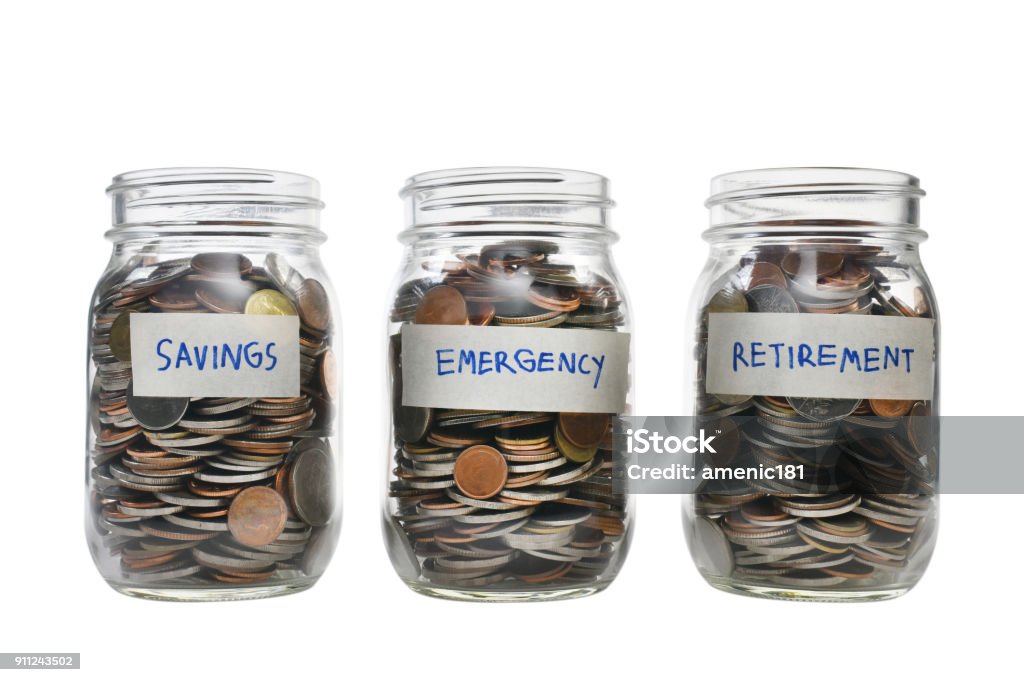
An emergency savings reserve is money specifically reserved for unexpected expenses or financial emergencies. Unlike money invested in stocks or retirement accounts, this cash should be easily accessible whenever you need it.
In this guide, you’ll learn:
- What an emergency fund is
- Why it is so important
- How much money you should save
- Where to keep your emergency savings
- How to build your fund faster
- Common mistakes to avoid
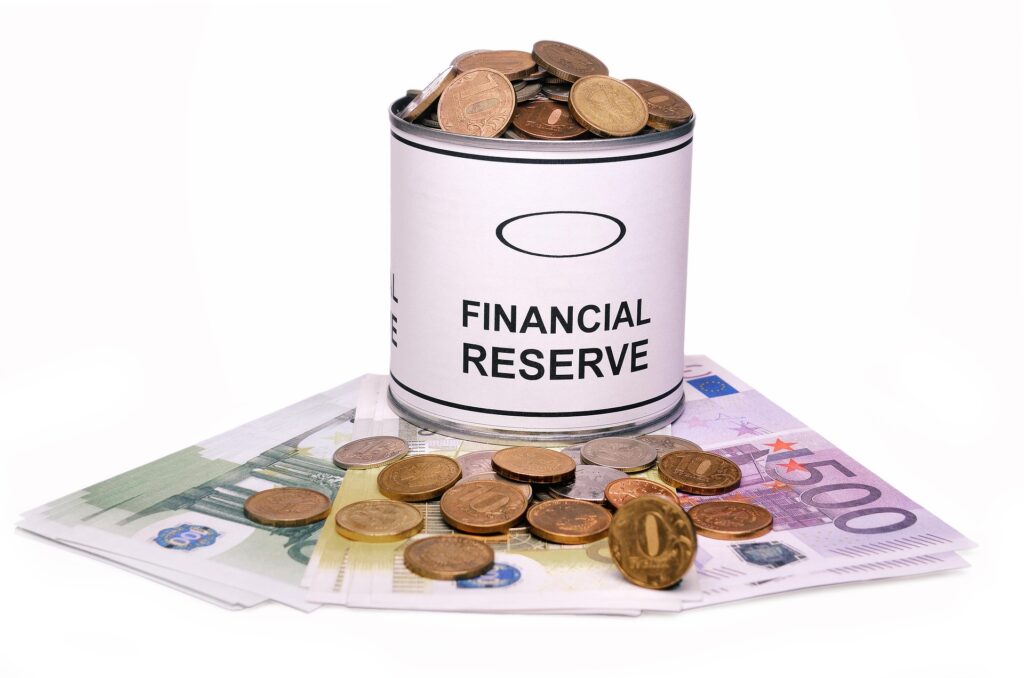
Table of Contents
What Is an Emergency Fund?
An emergency fund is a dedicated savings account designed to cover unexpected expenses or periods of reduced income.
Examples of situations where an emergency fund may be used include:
- Emergency medical expenses
- Car repairs
- Home repairs
- Unexpected travel for family emergencies
- Job loss or reduced income
- Essential appliance replacements
An emergency fund is not intended for:
- Vacations
- Shopping
- Entertainment
- Planned purchases
- Investment opportunities
The purpose of this financial safety net is simple: to protect your financial stability when life becomes unpredictable.
Why Is an Emergency Fund Important?
Many people are forced to rely on credit cards, personal loans, or borrowing money from family members when unexpected expenses arise.
An emergency fund helps you avoid high-interest debt and gives you time to make financial decisions without panic.
Financial experts and consumer protection agencies consistently recommend maintaining emergency savings as one of the foundations of financial stability.
Some of the biggest benefits include:
- Reduced financial stress.
- Protection against unexpected expenses.
- Less dependence on debt.
- Greater financial flexibility.
- Increased peace of mind.
In many ways, an emergency fund acts as your personal financial insurance policy.
Before investing aggressively or focusing on long-term wealth building, most financial experts recommend establishing an emergency fund first.
How Much Should You Save in an Emergency Fund?
The amount you need in your emergency fund depends on your financial situation, income stability, and monthly expenses.
While there is no universal number that works for everyone, financial experts generally recommend building your emergency fund in stages.
Starter Emergency Fund ($500–$1,000)
If you’re just starting your financial journey, your first goal should be to save between $500 and $1,000.
This amount is often enough to cover many common emergencies, including:
- Minor car repairs
- Unexpected medical bills
- Appliance repairs
- Emergency travel expenses
Building this first safety net can prevent small emergencies from turning into expensive debt.
| Situation | Recommended Emergency Fund |
|---|---|
| Student or Beginner | $500 – $1,000 |
| Stable Employment | 3 Months Expenses |
| Self-Employed | 6 Months Expenses |
| Business Owner | 12 Months Expenses |
Three Months of Expenses
Once you’ve built your initial cash reserve, the next milestone is saving three months of essential living expenses.
This includes expenses such as:
- Rent or mortgage payments
- Utilities
- Food and groceries
- Insurance
- Transportation costs
- Minimum debt payments
For example, if your essential monthly expenses total $2,000, your target emergency fund would be:
$2,000 × 3 = $6,000
This level of savings is often considered sufficient for individuals with stable employment and multiple sources of income within the household.
Six Months of Expenses
Many financial professionals recommend saving six months of living expenses for greater security.
Using the previous example:
$2,000 × 6 = $12,000
A six-month emergency fund may be particularly appropriate for:
- Self-employed workers
- Freelancers
- Single-income households
- Individuals working in volatile industries
This provides additional protection in the event of job loss or prolonged financial difficulties.
Twelve Months of Expenses
Some individuals prefer to maintain a full year of expenses in their emergency fund.
Although this may not be necessary for everyone, it can provide additional peace of mind for:
- Business owners
- Individuals with highly irregular income
- People approaching retirement
- Families with significant financial responsibilities
A larger emergency fund offers greater flexibility but may also reduce the amount of money available for investing and long-term wealth building.
For most people, a target of three to six months of essential expenses offers an excellent balance between security and growth.
Where Should You Keep Your Emergency Fund?
Your emergency savings should always be stored somewhere that is safe, easily accessible, and protected from market volatility.
The primary purpose of this money is not to generate high returns but to be available when you need it most.
Some of the best places to keep an emergency fund include:
High-Yield Savings Accounts
For most people, a high-yield savings account is the best option.
These accounts typically offer higher interest rates than traditional savings accounts while still allowing quick access to your money.
Benefits include:
- Easy access to funds.
- FDIC insurance protection in the United States.
- No exposure to stock market fluctuations.
- Ability to earn some interest while keeping your money safe.
Money Market Accounts
Money market accounts can also be a good option for emergency savings.
They often provide competitive interest rates and may include additional features such as debit cards or check-writing capabilities.
Traditional Savings Accounts
Although traditional savings accounts generally offer lower interest rates, they remain a safe and simple place to store emergency savings.
Where You Should NOT Keep Your Emergency Fund
There are several places that are generally unsuitable for emergency savings:
- Stocks and ETFs
- Cryptocurrency investments
- Long-term certificates of deposit (CDs)
- Retirement accounts
- Real estate investments
These assets may lose value or be difficult to access quickly during an emergency.
Your emergency fund should prioritize safety and liquidity over investment returns.
Once your emergency fund is fully established, many investors choose to start building wealth through diversified investments such as index funds.
How to Build an Emergency Fund Faster

Building emergency savings may seem overwhelming at first, especially if you’re starting from zero. However, small and consistent actions can make a huge difference over time.
Here are some practical strategies to build your financial safety net faster:
Set a Monthly Savings Goal
Treat your emergency fund like any other important bill.
Decide on a fixed amount to save each month and make it a priority in your budget.
Even saving $50 or $100 per month can add up surprisingly quickly.
Automate Your Savings
One of the easiest ways to stay consistent is to automate your savings.
Set up an automatic transfer from your checking account to your emergency savings account every payday.
This removes the temptation to spend the money elsewhere.
Save Windfalls and Bonuses
Unexpected income can significantly accelerate your progress.
Consider saving:
- Tax refunds
- Work bonuses
- Gifts
- Side hustle income
- Cashback rewards
Putting these extra funds directly into your emergency account can help you reach your goal much faster.
Reduce Unnecessary Expenses
Review your monthly spending and identify areas where you can temporarily cut back.
Examples include:
- Subscription services
- Dining out
- Impulse purchases
- Entertainment expenses
Redirecting even small amounts toward your emergency fund can have a large impact over time.
Start Small and Stay Consistent
Many people delay building an emergency fund because they feel they need to save thousands of dollars immediately.
The reality is that your first $500 is often the hardest milestone.
Once you establish the habit of saving regularly, momentum usually begins to build naturally.
Remember: consistency matters far more than perfection.
Common Emergency Fund Mistakes
Building an emergency fund is a major financial achievement, but many people make mistakes that reduce its effectiveness.
Here are some of the most common mistakes to avoid:
Investing Your Emergency Fund
Your emergency fund is not an investment account.
While stocks, ETFs, and cryptocurrencies may offer higher returns, they can also lose value at the exact moment you need your money.
Emergency savings should prioritize safety and accessibility over growth.
Using the Fund for Non-Emergencies
An emergency fund should only be used for genuine emergencies.
Examples of non-emergencies include:
- Vacations
- Shopping purchases
- New electronics
- Entertainment expenses
- Investment opportunities
If the expense is planned or optional, it should not come from your emergency savings.
Keeping Too Much Cash
While having emergency savings is essential, holding excessive amounts of cash can reduce your long-term investment growth.
Once you have reached your target emergency fund, additional money may be better allocated toward investing or other financial goals.
Stopping Contributions After Reaching Your Goal
If you need to use part of your emergency fund, make rebuilding it a priority.
Your target amount may also change over time as your expenses and responsibilities increase.
Keeping the Money Too Accessible
Although your emergency fund should be easy to access, it should not be so convenient that you are tempted to spend it unnecessarily.
Many people prefer keeping emergency savings in a separate high-yield savings account to reduce temptation.
Emergency Fund Example
Let’s look at a practical example.
Imagine that your essential monthly expenses are:
- Rent: $1,200
- Utilities: $200
- Groceries: $400
- Insurance: $250
- Transportation: $150
- Minimum debt payments: $300
Your total essential monthly expenses would be:
$1,200 + $200 + $400 + $250 + $150 + $300 = $2,500 per month
Based on common financial recommendations:
- Three months of expenses = $7,500
- Six months of expenses = $15,000
- Twelve months of expenses = $30,000
For many households, aiming for three to six months of expenses provides a good balance between financial security and long-term investing opportunities.
However, your ideal emergency fund size will depend on your personal circumstances, job stability, and financial responsibilities.
The most important thing is to start building your emergency fund today, even if you begin with small amounts.
Frequently Asked Questions
Is $1,000 enough for an emergency fund?
For most people, $1,000 is a great starting point but not a long-term solution. It can cover many minor emergencies, but most financial experts recommend eventually building a fund that covers three to six months of living expenses.
Should I invest my emergency fund?
No. Emergency funds should prioritize safety and accessibility over returns. Investing your emergency savings in stocks or cryptocurrencies could expose you to losses when you need the money most.
Where should I keep my emergency fund?
A high-yield savings account is usually the best option because it offers easy access to your money while still earning some interest.
How long does it take to build an emergency fund?
This depends on your income, expenses, and savings rate. Some people can build a starter emergency fund in a few months, while reaching a full six-month fund may take several years.
Should I build an emergency fund before investing?
In most cases, yes. Building at least a starter emergency fund before investing can help prevent unexpected expenses from forcing you to sell investments or take on debt.
Conclusion
An emergency fund is one of the most important foundations of financial security.
Whether your goal is to invest, buy a home, or achieve financial independence, having emergency savings protects you from unexpected setbacks and gives you greater peace of mind.
Start with small, achievable goals and focus on consistency rather than perfection.
Even saving a few dollars each week can gradually build a financial safety net that protects you and your family when life becomes unpredictable.
After building a solid emergency fund, many people move on to long-term investing strategies such as index funds, ETFs, and dividend investing.
The best time to start building your emergency fund was yesterday. The second best time is today.
About the Author
Lucas Hernández is the founder of Financial Boost Guide, a website dedicated to making investing and personal finance easier to understand for beginners.
He creates practical, well-researched guides that help readers build better financial habits, understand investing with confidence, and make informed financial decisions.
Every article is written with a focus on clarity, accuracy, and long-term educational value.
➡️ Learn more about Lucas and our editorial process on the About page.
Disclaimer: The information provided in this article is for educational purposes only and should not be considered financial, investment, legal, or tax advice. Always conduct your own research or consult a qualified professional before making financial decisions.