Written by Lucas Hernández
Founder of Financial Boost Guide
Last Updated: July 2026
Reading Time: 8–10 minutes
Financial Boost Guide provides beginner-friendly educational content about investing, personal finance, saving money, and building long-term wealth.
➡️ Learn more about our mission on our About page.
Paying off debt fast can feel overwhelming, especially when credit cards, personal loans, and other financial obligations continue to grow month after month.
Many people search for ways to pay off debt fast because high-interest debt can delay important financial goals for years.
Credit cards, personal loans, car payments, and student loans can quickly become a source of stress and anxiety, especially when interest charges continue to grow month after month.
The good news is that becoming debt-free is possible with the right strategy and consistent effort.
Millions of people successfully pay off their debt every year by following proven methods that reduce interest costs, improve cash flow, and accelerate repayment.
In this guide, you’ll learn:
- Why paying off debt should be a financial priority
- The most effective debt repayment strategies
- How to reduce interest costs
- Ways to increase your debt payments
- Common mistakes that slow down progress
- How to stay motivated during your debt-free journey
Table of Contents
Why Paying Off Debt Matters
Eliminating debt provides benefits that go far beyond simply improving your bank account balance.
For many people, becoming debt-free represents greater financial freedom, lower stress levels, and more opportunities to build long-term wealth.
Here are some of the biggest advantages of paying off debt faster:
Save Thousands in Interest Payments
The longer debt remains unpaid, the more interest you pay.
By accelerating your repayments, you can save hundreds or even thousands of dollars in interest charges over the life of the loan. According to the Consumer Financial Protection Bureau, paying high-interest debt early can significantly reduce the total amount repaid over time.
Improve Your Cash Flow
Every debt payment reduces the amount of money available for savings, investing, or personal goals.
Once your debts are paid off, that money becomes available to help build your financial future.
Reduce Financial Stress
Financial problems are one of the leading causes of stress for many households.
Reducing debt often improves financial security and provides peace of mind.
Increase Your Financial Flexibility
Being debt-free gives you more options.
You may be able to change careers, start a business, invest more aggressively, or save for major goals such as buying a house or retiring early.
Build Wealth Faster
Paying high-interest debt is often one of the best investments you can make.
The money that previously went toward interest payments can instead be redirected toward savings, investing, and long-term wealth creation.
Understand Your Current Debt Situation

Before you can build an effective debt repayment plan, you need a clear picture of your current financial situation.
Many people avoid looking at their debt because it feels stressful or overwhelming, but understanding exactly what you owe is the first step toward becoming debt-free.
Start by creating a complete list of all your debts, including:
- Credit cards
- Personal loans
- Car loans
- Student loans
- Buy now, pay later balances
- Any other outstanding obligations
For each debt, write down:
- The current balance
- The interest rate
- The minimum monthly payment
- The remaining repayment term
Once you have all this information in one place, you can begin prioritizing which debts to tackle first.
A simple debt table can help you stay organized:
| Debt Type | Balance | Interest Rate | Minimum Payment |
|---|---|---|---|
| Credit Card | $5,000 | 22% | $150 |
| Car Loan | $12,000 | 6% | $280 |
| Student Loan | $18,000 | 4% | $220 |
This overview allows you to identify high-interest debts that are costing you the most money and should potentially be prioritized.
Most importantly, seeing your full debt picture transforms an overwhelming problem into a manageable financial plan.
Remember: you cannot optimize what you do not measure.
The Debt Snowball Method
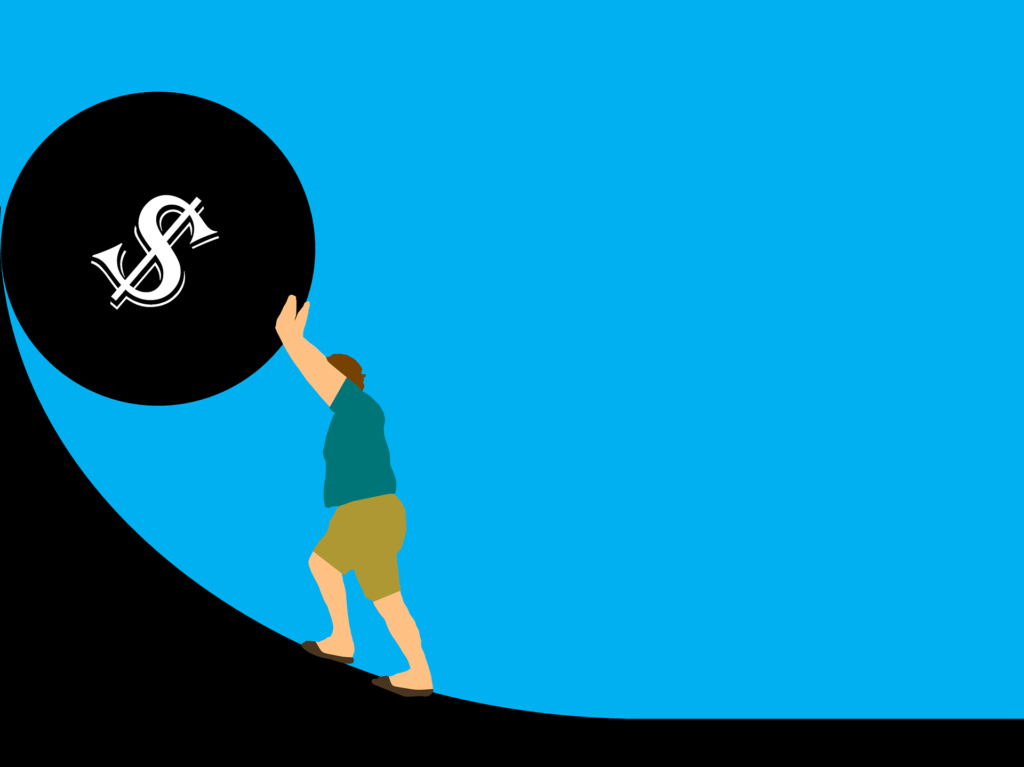
The debt snowball method is one of the most popular debt repayment strategies in the world.
The concept is simple:
- Continue making the minimum payments on all your debts.
- Put any extra money toward the smallest debt balance.
- Once the smallest debt is fully paid off, move that payment amount to the next smallest debt.
- Repeat the process until all debts are eliminated.
As each debt disappears, the amount of money available for repayments grows larger, creating a “snowball effect.”
Example of the Debt Snowball Method
Imagine you have the following debts:
| Debt | Balance | Interest Rate |
|---|---|---|
| Credit Card A | $1,000 | 18% |
| Personal Loan | $5,000 | 9% |
| Car Loan | $12,000 | 6% |
Using the debt snowball method, you would focus on paying off Credit Card A first because it has the smallest balance, regardless of the interest rate.
After paying off Credit Card A, you would redirect those payments toward the personal loan and then finally toward the car loan.
Advantages of the Debt Snowball Method
- Provides quick psychological wins.
- Helps maintain motivation.
- Reduces the number of monthly payments faster.
- Makes the repayment process feel more manageable.
Disadvantages of the Debt Snowball Method
- You may pay more interest overall.
- High-interest debts can remain active for longer.
- It is not always the mathematically optimal strategy.
Despite these drawbacks, many people successfully become debt-free using the debt snowball method because motivation and consistency are often more important than mathematical perfection.
For people who need motivation to stay consistent, the debt snowball method can be an excellent way to pay off debt fast.
The Debt Avalanche Method
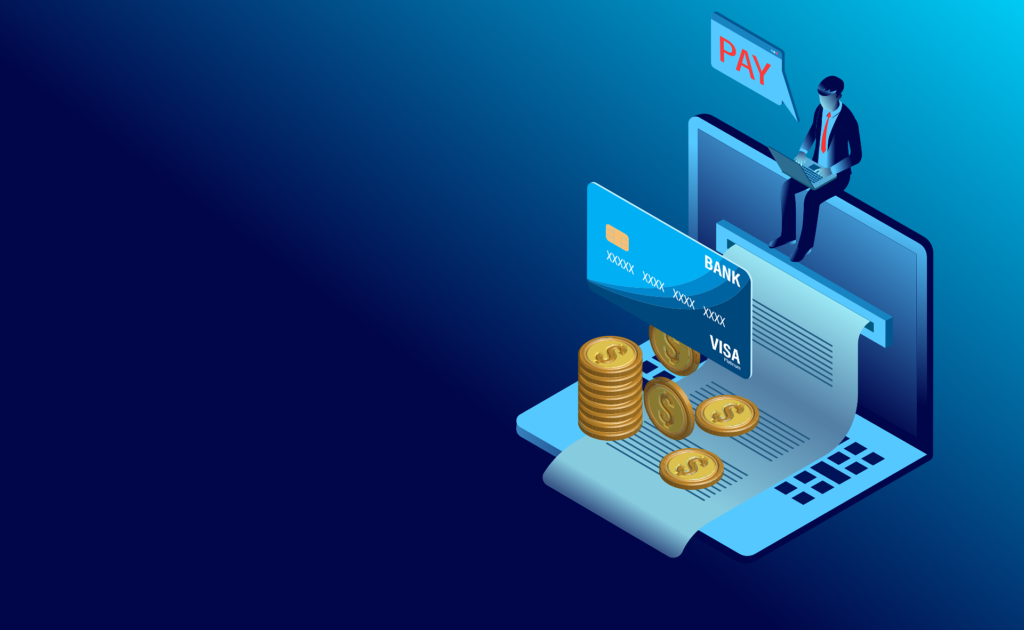
The debt avalanche method is often considered the most efficient debt repayment strategy from a mathematical perspective.
Instead of focusing on the smallest balance, this method prioritizes the debt with the highest interest rate first.
The process works as follows:
- Continue making the minimum payments on all your debts.
- Direct any extra money toward the debt with the highest interest rate.
- Once that debt is fully paid off, move to the debt with the next highest interest rate.
- Repeat until all debts are eliminated.
Because high-interest debt is paid off first, this strategy usually results in lower total interest costs over time.
Example of the Debt Avalanche Method
Imagine you have the following debts:
| Debt | Balance | Interest Rate |
|---|---|---|
| Credit Card A | $5,000 | 24% |
| Personal Loan | $8,000 | 10% |
| Car Loan | $12,000 | 6% |
Using the debt avalanche method, you would focus on paying off Credit Card A first because it carries the highest interest rate.
After eliminating the credit card debt, you would move to the personal loan and finally the car loan.
Advantages of the Debt Avalanche Method
- Minimizes total interest payments.
- Usually eliminates debt faster overall.
- Maximizes long-term financial efficiency.
- Frees up more money for future savings and investing.
Disadvantages of the Debt Avalanche Method
- It may take longer to eliminate the first debt.
- Progress can sometimes feel slower.
- Some people lose motivation without early wins.
Which Method Is Better?
Neither strategy is universally better.
If motivation and quick wins are important to you, the debt snowball method may be the better choice.
If your main goal is to save as much money as possible in interest payments, the debt avalanche method is usually the superior option.
The best debt repayment strategy is ultimately the one that you can consistently follow until you become completely debt-free.
Many financial experts consider the avalanche strategy the most efficient method to pay off debt fast while minimizing interest costs.
Consolidate High-Interest Debt
If you are struggling with multiple high-interest debts, debt consolidation may help simplify your finances and reduce the amount of interest you pay.
Debt consolidation involves combining several debts into a single loan or payment, ideally with a lower interest rate.
This strategy can make your debt easier to manage and may help you pay it off faster.
Common Debt Consolidation Options
Balance Transfer Credit Cards
Some credit cards offer introductory 0% APR periods for balance transfers.
This allows you to move existing credit card balances to a new card and temporarily avoid interest charges.
However, it is important to pay off the balance before the promotional period ends, as interest rates can increase significantly afterward.
Personal Loans
Many borrowers use personal loans to consolidate credit card debt.
If the personal loan has a lower interest rate than your current debts, you may save money and simplify your monthly payments.
Debt Consolidation Loans
Some banks and financial institutions offer loans specifically designed for debt consolidation.
These loans combine multiple debts into a single monthly payment with one interest rate.
Advantages of Debt Consolidation
- Simplifies your finances by reducing the number of monthly payments.
- Can lower your interest costs.
- Makes budgeting easier.
- May help you pay off debt faster.
Potential Risks of Debt Consolidation
Debt consolidation does not eliminate debt.
It simply restructures it.
One of the biggest mistakes people make is consolidating debt and then continuing to use credit cards or take on new debt.
Without changing spending habits, debt consolidation can sometimes make financial problems worse.
Is Debt Consolidation Right for You?
Debt consolidation can be an excellent tool if:
- You qualify for a lower interest rate.
- You have a stable income.
- You are committed to avoiding new debt.
- You want to simplify your repayment strategy.
For many people, combining debt consolidation with the debt avalanche method can be one of the fastest paths to becoming debt-free.
Increase Your Monthly Payments
One of the fastest ways to become debt-free is surprisingly simple: pay more than the minimum payment whenever possible.
Minimum payments are designed to keep you in debt for longer while maximizing the amount of interest paid to the lender.
Even small additional payments can dramatically reduce both the repayment period and the total interest costs.
If your goal is to pay off debt fast, making extra payments every month is one of the most powerful strategies available.
The Power of Extra Payments
Let’s imagine you have a credit card balance of $10,000 with an interest rate of 20%.
If you only make the minimum payment each month, it could take many years to fully repay the debt and cost thousands of dollars in interest.
However, adding just an extra $100 per month toward the balance could potentially save years of repayments and a significant amount of money.
Ways to Increase Your Monthly Payments
If your budget is tight, consider redirecting extra money toward debt repayment whenever possible:
- Tax refunds
- Work bonuses
- Salary increases
- Side hustle income
- Cashback rewards
- Gifts or unexpected income
Instead of spending these windfalls, using them to reduce debt can accelerate your progress considerably.
Automate Extra Payments
Setting up automatic transfers can help you stay consistent and avoid the temptation to spend the money elsewhere.
Many lenders also allow biweekly payments instead of monthly payments, which can result in one additional payment each year and reduce the repayment period even further.
Focus on Consistency
You do not need to make huge extra payments to see results.
The combination of regular payments and consistency over time is often more important than occasional large contributions.
Small actions repeated every month can produce remarkable results over the long term.
Cut Unnecessary Expenses
Reducing your expenses is one of the quickest ways to free up additional money for debt repayment.
Even relatively small savings can make a significant difference when applied consistently over time.
The goal is not to eliminate everything you enjoy but to temporarily prioritize becoming debt-free.
Review Your Monthly Spending
Start by reviewing your bank statements and identifying areas where you may be spending more than you realize.
Common examples include:
- Streaming subscriptions
- Dining out
- Takeaway food
- Impulse purchases
- Premium memberships
- Unused subscriptions
Many people discover they are spending hundreds of dollars each month on expenses that add little value to their lives.
Differentiate Between Needs and Wants
One of the most effective financial habits is learning to separate essential expenses from discretionary spending.
Ask yourself:
“Do I need this, or do I simply want it?”
Making this distinction can help you redirect more money toward your debt repayment goals.
Use a Budget to Identify Savings Opportunities
Budgeting methods such as the 50/30/20 budget rule can help you understand where your money is going and identify areas where spending can be reduced.
Even small reductions in discretionary spending can accelerate your debt-free journey.
Avoid Lifestyle Inflation
As income increases, many people increase their spending at the same rate.
Instead of upgrading your lifestyle immediately after receiving a raise or bonus, consider directing some or all of that additional income toward debt repayment.
This strategy can dramatically shorten the time needed to become debt-free.
Remember Your Long-Term Goal
Temporary sacrifices can lead to long-term financial freedom.
Many people find that giving up a few non-essential expenses for a short period is worth the peace of mind that comes from eliminating debt permanently.
Increase Your Income
While reducing expenses can certainly help you pay off debt faster, increasing your income often has an even bigger impact.
There is only so much you can cut from your budget, but your earning potential may have much more room to grow.
Even a few hundred extra dollars per month can significantly accelerate your debt repayment plan.
Start a Side Hustle
Many people use side hustles to generate additional income that goes directly toward debt payments.
Popular options include:
- Freelancing
- Online tutoring
- Food delivery services
- Selling products online
- Pet sitting
- Graphic design
- Content creation
The key is to dedicate the extra income specifically to debt reduction rather than increasing spending.
Work Overtime if Possible
If your employer offers overtime opportunities, temporary additional hours can help you make significant progress on your debt.
Although working extra hours is not a permanent solution, it can be extremely effective over short periods.
Ask for a Raise
Many employees underestimate their market value.
If your performance has been strong and your responsibilities have increased, it may be worth discussing a salary increase with your employer.
Even a modest raise can make a noticeable difference when applied consistently to debt repayments.
Sell Unused Items
Many households have valuable items that are rarely used.
Examples include:
- Old electronics
- Unused furniture
- Sports equipment
- Collectibles
- Clothing
Selling these items can provide an immediate cash boost that can be applied directly to outstanding balances.
Use Additional Income Strategically
The most important rule is simple:
Avoid lifestyle inflation.
If your income increases, resist the temptation to increase your spending at the same pace.
Instead, direct a large portion of the additional income toward debt repayment until you achieve your goal of becoming debt-free.
Increasing your income can dramatically improve your ability to pay off debt fast.
Avoid Taking on New Debt
One of the biggest mistakes people make while trying to become debt-free is continuing to accumulate new debt during the repayment process.
No matter how aggressive your repayment strategy is, progress becomes much more difficult if new balances continue to appear.
Breaking the debt cycle is essential for long-term financial success.
Stop Using Credit Cards for Everyday Spending
If credit card debt is one of your biggest financial challenges, consider temporarily stopping the use of your credit cards until your balances are under control.
Many people switch to cash or debit cards to avoid overspending.
Build an Emergency Fund
Unexpected expenses are one of the main reasons people fall back into debt.
Car repairs, medical bills, or home maintenance costs can quickly lead to new credit card balances if you do not have savings available.
Even a small emergency fund of $500 to $1,000 can provide an important financial safety net.
Avoid Lifestyle Inflation
As your income increases, it can be tempting to immediately upgrade your lifestyle.
However, directing salary increases, bonuses, and extra income toward debt repayment can dramatically shorten the time needed to become debt-free.
Delay Major Purchases
If possible, postpone large purchases until your financial situation improves.
Asking yourself:
“Do I truly need this right now?”
can prevent unnecessary borrowing and help you stay focused on your goals.
Create Better Financial Habits
Becoming debt-free is not only about paying balances.
It is also about building habits that prevent debt from returning in the future.
Good budgeting, regular saving, and responsible spending decisions are the foundations of long-term financial stability.
The goal is not simply to eliminate debt once, but to create a financial system that allows you to stay debt-free permanently.
Common Debt Repayment Mistakes
Paying off debt is a long-term process, and many people make mistakes that slow down their progress or even cause them to fall deeper into debt.
Understanding these common pitfalls can help you stay on track and reach your financial goals faster.
Only Making Minimum Payments
Minimum payments may keep your account in good standing, but they are designed to maximize the amount of interest you pay over time.
Paying only the minimum can extend repayment periods by many years.
Whenever possible, aim to pay more than the required minimum amount.
Ignoring High Interest Rates
Not all debts are equally expensive.
High-interest debts, especially credit cards, can quickly become extremely costly if left unpaid for long periods.
Prioritizing these debts can save significant amounts of money.
Continuing to Accumulate New Debt
One of the biggest obstacles to becoming debt-free is continuing to borrow while trying to repay existing balances.
Without changing spending habits, debt repayment can become an endless cycle.
Not Having an Emergency Fund
Unexpected expenses are inevitable.
Without emergency savings, many people are forced to rely on credit cards or loans when financial surprises occur.
Building even a small emergency fund can prevent this problem.
Trying to Pay Off Debt Without a Budget
A repayment strategy without a budget is often difficult to maintain.
Tracking your income and expenses helps ensure that enough money is available each month for debt payments.
Losing Motivation
Debt repayment can take months or even years.
Many people become discouraged if progress feels slow.
Celebrating small milestones and focusing on long-term goals can help maintain motivation throughout the journey.
Waiting for the “Perfect Time”
Some people delay taking action because they are waiting for a higher salary, lower expenses, or a better financial situation.
In reality, the best time to start reducing debt is usually today.
Even small payments made consistently can create significant progress over time.
Frequently Asked Questions
What is the fastest way to pay off debt?
The fastest way to pay off debt is usually a combination of increasing your monthly payments, prioritizing high-interest debts, reducing unnecessary expenses, and avoiding new borrowing.
Many people use either the debt avalanche method or the debt snowball method to stay organized and motivated.
Should I save money or pay off debt first?
In most cases, it is recommended to build a small emergency fund before aggressively paying off debt.
Having emergency savings can prevent you from relying on credit cards or loans when unexpected expenses occur.
After building a basic emergency fund, many people focus on paying off high-interest debt as quickly as possible.
Is the debt avalanche method better than the debt snowball method?
The debt avalanche method usually saves more money because it prioritizes debts with the highest interest rates first.
The debt snowball method focuses on smaller balances and often provides faster psychological wins.
Neither method is universally better. The best strategy is the one you can consistently follow.
Should I use my savings to pay off debt?
This depends on your financial situation.
Using all your savings to eliminate debt can leave you vulnerable to emergencies and force you to borrow again in the future.
For this reason, many financial experts recommend keeping at least a small emergency fund while paying off debt.
Can debt consolidation help me become debt-free faster?
Debt consolidation can be useful if it reduces your interest rate or simplifies your monthly payments.
However, consolidation alone does not solve the underlying problem.
Long-term success still depends on budgeting, spending habits, and avoiding new debt.
How long does it usually take to become debt-free?
There is no universal timeline.
The time required depends on factors such as your total debt, interest rates, income, and monthly payments.
Some people eliminate debt in a few months, while others may need several years.
The important thing is to make consistent progress and stay committed to your repayment plan.
Conclusion
Becoming debt-free is not about finding a secret strategy or making drastic sacrifices overnight.
It is about creating a realistic plan, staying consistent, and making steady progress over time.
Whether you choose the debt snowball method for motivation or the debt avalanche method to minimize interest costs, the most important factor is taking action and sticking with your strategy.
Small improvements can produce powerful results.
Paying a little extra each month, reducing unnecessary expenses, increasing your income, and avoiding new debt can dramatically shorten your journey to financial freedom.
Remember that debt repayment is not just about eliminating balances.
It is about creating better financial habits that will benefit you for the rest of your life.
Once your debt is under control, you can redirect those monthly payments toward building an emergency fund, investing for the future, and achieving long-term financial goals.
The path to becoming debt-free may take time, but every payment brings you one step closer to greater financial security, flexibility, and peace of mind.
If you remain consistent and follow a clear strategy, you can pay off debt fast and achieve financial freedom sooner than you might expect.
The best day to start was yesterday.
The second-best day is today.
About the Author
Lucas Hernández is the founder of Financial Boost Guide, a website dedicated to making investing and personal finance easier to understand for beginners.
He creates practical, well-researched guides that help readers build better financial habits, understand investing with confidence, and make informed financial decisions.
Every article is written with a focus on clarity, accuracy, and long-term educational value.
➡️ Learn more about Lucas and our editorial process on the About page.
Disclaimer: The information provided in this article is for educational purposes only and should not be considered financial, investment, legal, or tax advice. Always conduct your own research or consult a qualified professional before making financial decisions.