
Written by Lucas Hernández
Founder of Financial Boost Guide
Last Updated: July 2026
Reading Time: 8–10 minutes
Financial Boost Guide provides beginner-friendly educational content about investing, personal finance, saving money, and building long-term wealth.
➡️ Learn more about our mission on our About page.
Stock markets do not move in a straight line.
Periods of strong growth and optimism are often followed by periods of fear, uncertainty, and falling prices.
One of the most important concepts every investor should understand is the bear market.
Market downturns have occurred throughout financial history and have affected nearly every asset class, including stocks, bonds, cryptocurrencies, and real estate.
While market downturns can be uncomfortable, they are also a normal part of long-term investing.
In fact, some of the greatest opportunities have appeared during market downturns.
A bear market is generally defined as a decline of at least 20% from recent market highs.
These periods are often accompanied by negative investor sentiment, economic uncertainty, and increased market volatility.
However, not all market downturns are the same.
Some last only a few months, while others can continue for years.
Understanding how bear markets work can help investors make better decisions and avoid emotional reactions during periods of market stress.
In this guide, you’ll learn:
- What a bear market is.
- Why bear markets happen.
- How long bear markets typically last.
- Historical examples of major bear markets.
- Strategies investors can use during market downturns.
- Whether bear markets still matter in 2026.
By the end of this article, you’ll understand why experienced investors often view bear markets as opportunities rather than disasters.
Table of Contents
What Is a Bear Market?

A bear market is a prolonged period in which the prices of financial assets fall significantly from their recent highs.
In most cases, a bear market is officially defined as a decline of 20% or more in a major market index such as the S&P 500.
Bear markets can affect:
- Stock markets
- Bond markets
- Real estate markets
- Cryptocurrency markets
- Commodity markets
However, the term is most commonly used to describe stock market declines.
Why Is It Called a Bear Market?
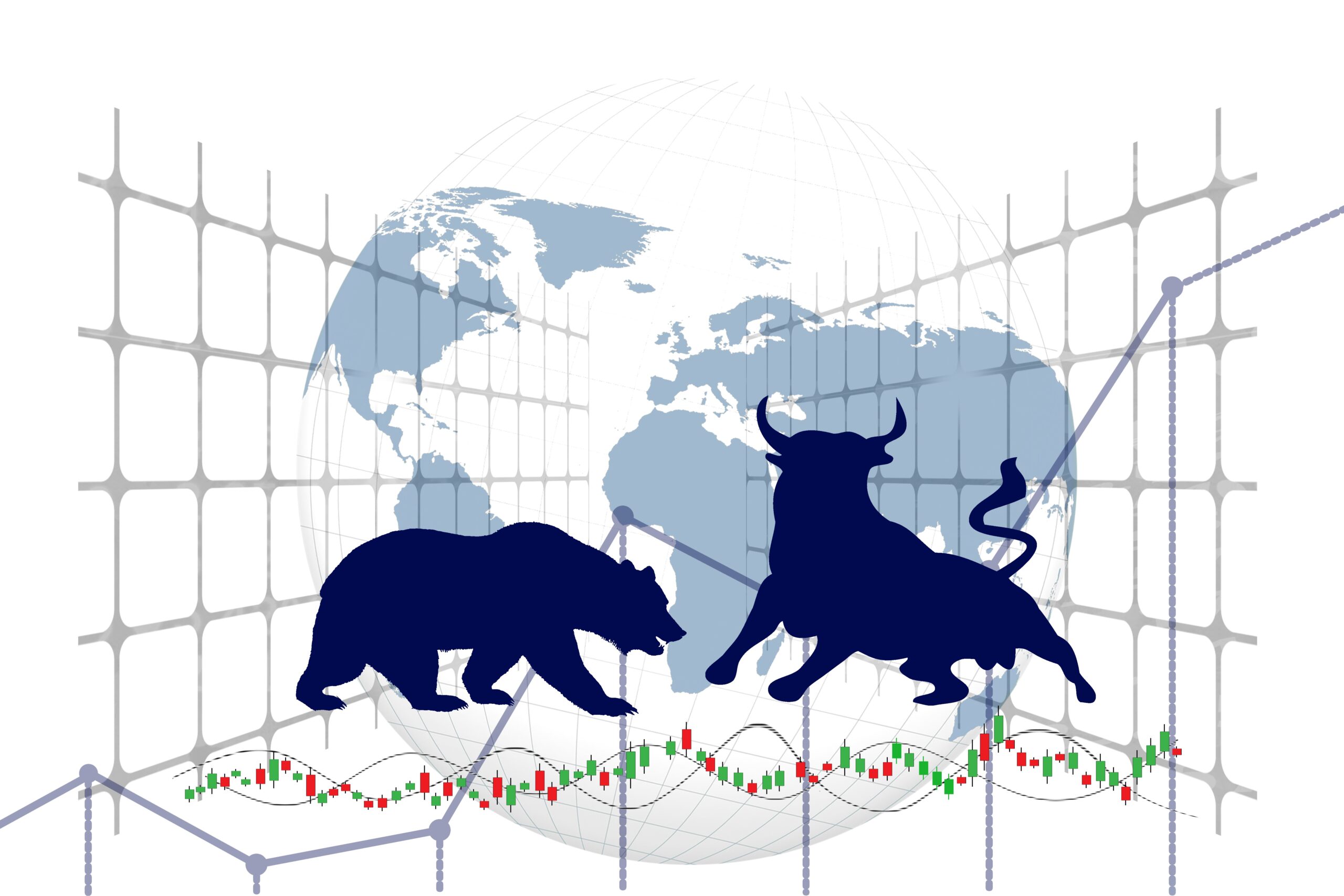
The term “bear market” comes from the way a bear attacks its prey.
A bear typically swipes its paws downward.
By contrast, a bull attacks by pushing its horns upward, which is why rising markets are known as bull markets.
These two animals have become symbols of market movements around the world.
Bear Markets Are Different From Market Corrections
Many investors confuse bear markets with market corrections, but they are not the same.
A market correction usually refers to a decline of between 10% and 20%.
A bear market begins when losses exceed 20%.
| Market Movement | Typical Decline |
|---|---|
| Market Correction | 10% to 20% |
| Bear Market | More than 20% |
Bear markets also tend to last longer and involve greater uncertainty than normal corrections.
Market downturns are a normal part of investing
Although bear markets often create fear among investors, they are a completely normal part of financial markets.
Historically, every major bear market has eventually been followed by a recovery and a new bull market.
For long-term investors, understanding this cycle is one of the keys to staying invested during difficult periods.
Investor Psychology During Bear Markets
Bear markets are often driven not only by economic events but also by investor emotions.
Fear can cause investors to sell assets at low prices, which can accelerate market declines.
This is one reason why maintaining discipline and following a long-term investment strategy is so important during periods of market stress.
What Causes a Bear Market?
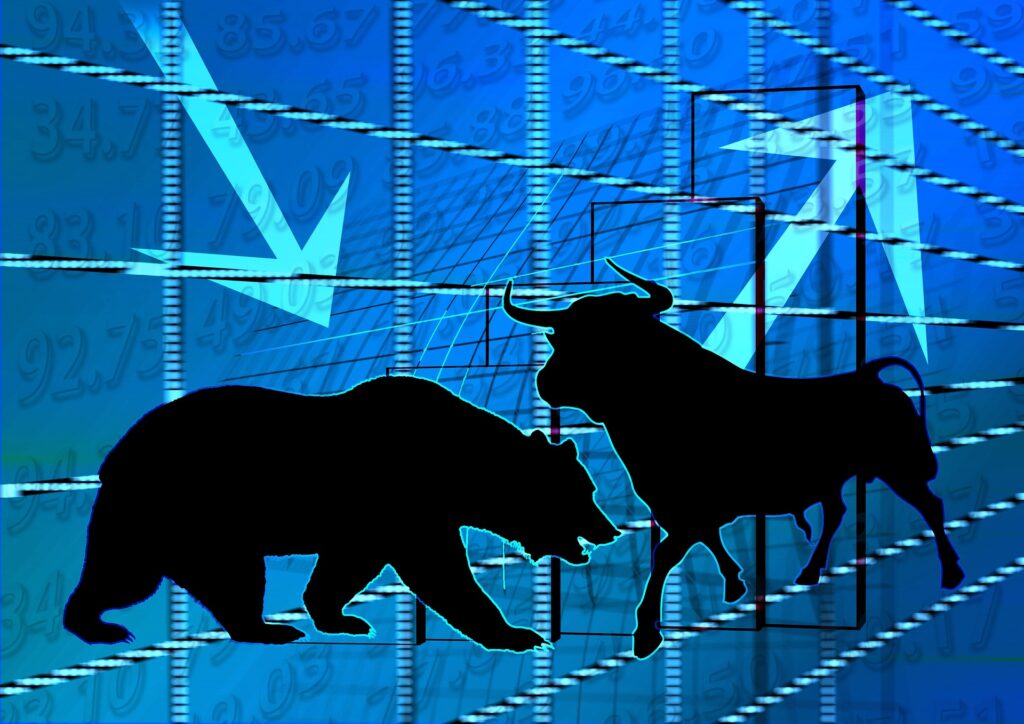
Bear markets can happen for many different reasons, but they are usually triggered by a combination of economic, financial, and psychological factors.
Understanding these causes can help investors better prepare for future market downturns.
1. Economic Recessions
One of the most common causes of bear markets is an economic recession.
When economic growth slows, companies often generate lower profits, unemployment rises, and consumer spending decreases.
As investors anticipate weaker business performance, stock prices can begin to fall.
Many of the largest bear markets in history have occurred during recessions.
2. Rising Interest Rates
Central banks often raise interest rates to fight inflation.
Higher interest rates increase borrowing costs for businesses and consumers.
This can reduce corporate profits and slow economic growth.
As a result, investors may become less willing to pay high valuations for stocks.
3. High Inflation
Periods of high inflation can create uncertainty in financial markets.
When prices rise rapidly, consumers lose purchasing power and companies face higher operating costs.
Inflation can also force central banks to increase interest rates, adding further pressure to financial markets.
4. Geopolitical Events
Wars, political instability, trade disputes, and international conflicts can create fear and uncertainty among investors.
Financial markets generally dislike uncertainty, and major geopolitical events often contribute to market declines.
5. Asset Bubbles Bursting
Sometimes investors become overly optimistic and push asset prices far above their fundamental value.
When these bubbles eventually burst, prices can fall rapidly.
Examples include:
- The Dot-Com Bubble in 2000.
- The Housing Crisis in 2008.
- Various cryptocurrency crashes.
6. Investor Panic and Negative Sentiment
Investor psychology plays a major role in bear markets.
Fear can cause investors to sell assets aggressively, which pushes prices even lower.
This selling pressure can create a cycle where falling prices lead to more selling and even larger declines.
Bear Markets Rarely Have a Single Cause
Most market downturns result from several factors occurring at the same time.
Economic weakness, high inflation, rising interest rates, and investor fear often combine to create prolonged market downturns.
Understanding these factors can help investors avoid emotional decisions and maintain a long-term perspective during difficult periods.
How Long Do Bear Markets Usually Last?
One of the most common questions investors ask during market downturns is how long a bear market will last.
Unfortunately, there is no exact answer.
Every bear market is different, and the duration depends largely on the causes behind the decline and the speed of the economic recovery.
Historical Average Duration
Historically, market downturns in the US stock market have lasted around 9 to 18 months on average.
However, some have been much shorter, while others have continued for several years.
For example:
- The COVID-19 bear market in 2020 lasted only a few weeks.
- The Global Financial Crisis bear market lasted more than a year.
- The Dot-Com Crash continued for several years.
Recovery Often Begins Before the Economy Improves
One important fact that surprises many investors is that stock markets often begin recovering before economic conditions improve.
Markets are forward-looking and attempt to predict future economic growth rather than react only to current events.
As a result, waiting for “good news” before investing again can sometimes mean missing a large part of the recovery.
Every Bear Market Has Eventually Ended
Although bear markets can feel endless while they are happening, history shows that every major market downturn has eventually been followed by a recovery and a new bull market.
This has been true for:
- The Great Depression
- The Dot-Com Crash
- The 2008 Financial Crisis
- The COVID-19 Crash
Long-term investors who remained invested during these periods were eventually rewarded as markets recovered.
Time in the Market Matters More Than Timing the Market
Many investors attempt to sell before markets fall and buy again before they recover.
In reality, successfully timing the market consistently is extremely difficult.
Missing only a few of the market’s best recovery days can significantly reduce long-term investment returns.
This is one reason why many investors continue investing regularly during bear markets using strategies such as dollar-cost averaging.
Bear Markets Feel Longer Than They Actually Are
Fear and uncertainty can make market downturns feel much longer than they really are.
For long-term investors, maintaining discipline and focusing on investment goals is often more important than trying to predict exactly when the next recovery will begin.
Historical Examples of Major Bear Markets
Throughout history, financial markets have experienced numerous bear markets caused by economic crises, speculative bubbles, and unexpected global events.
Studying these periods can help investors understand that market downturns are normal and temporary parts of long-term investing.
The Great Depression (1929)
The Great Depression remains one of the most severe market downturns in financial history.
Following the stock market crash of 1929, the US market lost nearly 90% of its value over several years.
The crisis led to widespread unemployment, bank failures, and a deep global economic recession.
The Dot-Com Crash (2000-2002)
During the late 1990s, technology companies experienced massive investor enthusiasm.
Many internet companies reached extremely high valuations despite generating little or no profit.
When the bubble burst, the NASDAQ index fell by almost 80%.
Many technology companies disappeared entirely, while others eventually became some of the largest businesses in the world.
The Global Financial Crisis (2008)
The 2008 financial crisis began with the collapse of the US housing market and rapidly spread throughout the global financial system.
Major financial institutions failed, credit markets froze, and global stock markets experienced sharp declines.
The S&P 500 lost more than 50% of its value before markets eventually recovered.
The COVID-19 Crash (2020)
The COVID-19 pandemic created one of the fastest bear markets in history.
Global markets fell more than 30% within a matter of weeks as governments introduced lockdowns and economic activity slowed dramatically.
However, this bear market was also one of the shortest on record, with markets recovering quickly after large-scale economic stimulus measures were introduced.
Common Lessons From Every Bear Market
Although every market downturn is different, several patterns appear repeatedly:
- Fear causes many investors to sell near market bottoms.
- Recoveries often begin when investor sentiment is still negative.
- Long-term investors who remain invested tend to benefit from eventual recoveries.
- Every major bear market in history has eventually been followed by a new bull market.
History Rewards Patient Investors
One of the most important lessons from historical bear markets is that patience has often been one of the most valuable investment strategies.
While short-term losses can be painful, long-term investors who stay disciplined have historically been rewarded as markets recover and continue growing over time.
What Should Investors Do During a Bear Market?

Bear markets can be stressful, especially for new investors experiencing their first major market decline.
However, history shows that emotional decisions made during market downturns often lead to poor long-term results.
Here are some strategies investors should consider during bear markets.
1. Avoid Panic Selling
One of the biggest mistakes investors make during bear markets is selling investments after prices have already fallen significantly.
Selling during periods of fear can lock in losses and prevent investors from benefiting from future recoveries.
Many of the strongest market gains occur shortly after major downturns.
2. Continue Investing Regularly
Many long-term investors continue investing during bear markets through strategies such as dollar-cost averaging.
When prices fall, regular investments purchase more shares at lower prices.
This can improve long-term returns when markets eventually recover.
3. Review Your Asset Allocation
Bear markets are a good opportunity to review your portfolio and ensure it still matches your financial goals and risk tolerance.
Some investors discover that they are taking more risk than they can comfortably handle.
Rebalancing may help restore the desired level of risk.
4. Focus on Quality Investments
During periods of uncertainty, many investors prefer companies with:
- Strong balance sheets
- Consistent earnings
- Competitive advantages
- Long operating histories
High-quality businesses often recover more quickly once market conditions improve.
5. Maintain an Emergency Fund
Having cash reserves can reduce financial stress during market downturns.
Investors with adequate emergency savings are less likely to be forced to sell investments at unfavorable prices.
6. Remember Your Long-Term Goals
Bear markets can create fear and uncertainty, but long-term investment goals often remain unchanged.
Investors saving for retirement or other long-term objectives may benefit from maintaining their strategy rather than reacting to short-term market movements.
Opportunities Often Appear During Bear Markets
Many successful investors view bear markets as opportunities rather than disasters.
Lower prices can allow investors to purchase high-quality assets at significant discounts.
While no one enjoys market declines, history suggests that periods of fear have often created some of the best long-term investment opportunities.
Do Bear Markets Still Matter in 2026?
With the rise of artificial intelligence, algorithmic trading, and advanced investing technology, some investors wonder whether major market downturns still have the same impact they had in the past.
The answer is simple:
Yes.
Periods of falling prices remain an unavoidable part of investing and continue to shape financial markets around the world.
Markets Continue to Move in Cycles
Financial markets have always experienced periods of expansion followed by periods of contraction.
Economic growth, inflation, interest rates, and investor sentiment continue to influence market performance just as they did decades ago.
Technology may have changed how investors access information and execute trades, but it has not eliminated market cycles.
Investor Psychology Has Not Changed
Fear and greed remain two of the strongest forces in investing.
During periods of rising prices, investors often become overly optimistic.
During market declines, fear can lead to panic selling and poor investment decisions.
These emotional reactions continue to influence financial markets in 2026.
Global Events Can Still Trigger Market Downturns
Unexpected events can rapidly change market conditions.
Examples include:
- Economic recessions
- Geopolitical conflicts
- Banking crises
- Supply chain disruptions
- Pandemics
Although the causes may evolve over time, periods of falling prices remain a normal part of investing.
Technology Has Improved Investor Access
Modern investors now have access to tools that previous generations never had.
Investors can instantly access:
- Global markets
- Diversified ETFs
- Low-cost index funds
- Automated investing platforms
- Portfolio rebalancing tools
These tools can make difficult periods easier to manage, but they cannot eliminate market cycles entirely.
Market Downturns Continue to Create Opportunities
One of the most important characteristics of falling markets is that they often create opportunities for long-term investors.
Lower prices can allow investors to purchase high-quality assets at significant discounts compared with periods of strong optimism.
Many of history’s strongest long-term returns began with investments made during times of extreme pessimism.
Difficult Markets Are Still Part of Successful Investing
The reality is simple:
Every long-term investor will experience multiple downturns throughout their investing journey.
Understanding how these cycles work and preparing for them in advance can make it much easier to remain disciplined and focused on long-term goals.
Frequently Asked Questions
What officially defines a bear market?
A bear market is generally defined as a decline of at least 20% from recent highs in a major market index such as the S&P 500.
How long do bear markets usually last?
Historically, bear markets have lasted between 9 and 18 months on average, although some have been shorter and others have continued for several years.
Are bear markets bad for investors?
Bear markets can be difficult emotionally, but they are a normal part of investing and often create opportunities to buy assets at lower prices.
Should I sell my investments during a bear market?
Many long-term investors avoid selling during bear markets because recoveries often begin before economic conditions improve.
Selling after large declines can lock in losses.
What is the difference between a bear market and a market correction?
A correction usually involves declines between 10% and 20%.
A bear market begins when losses exceed 20%.
Can investors make money during a bear market?
Yes.
Some investors use defensive strategies, dividend investments, bonds, or continue purchasing assets at lower prices through dollar-cost averaging.
How often do bear markets happen?
Bear markets occur regularly throughout financial history and are considered a normal part of market cycles.
Conclusion
Market downturns are among the most challenging experiences investors face, but they are also an important part of long-term investing.
Although falling prices create fear and uncertainty, history shows that every major decline has eventually been followed by recovery and growth.
Understanding why markets fall, how long these periods typically last, and how investors can respond allows individuals to make better decisions during times of market stress.
Rather than reacting emotionally, successful investors often remain focused on their long-term goals and investment strategies.
For many investors, periods of pessimism provide opportunities to purchase high-quality assets at attractive prices and build stronger portfolios for the future.
In 2026, declining markets continue to be an unavoidable part of investing, but they do not have to be feared.
For disciplined long-term investors, they are often simply another stage in the journey toward building wealth.
About the Author
Lucas Hernández is the founder of Financial Boost Guide, a website dedicated to making investing and personal finance easier to understand for beginners.
He creates practical, well-researched guides that help readers build better financial habits, understand investing with confidence, and make informed financial decisions.
Every article is written with a focus on clarity, accuracy, and long-term educational value.
➡️ Learn more about Lucas and our editorial process on the About page.
Disclaimer: The information provided in this article is for educational purposes only and should not be considered financial, investment, legal, or tax advice. Always conduct your own research or consult a qualified professional before making financial decisions.