Written by Lucas Hernández
Founder of Financial Boost Guide
Last Updated: July 2026
Reading Time: 8–10 minutes
Financial Boost Guide provides beginner-friendly educational content about investing, personal finance, saving money, and building long-term wealth.
➡️ Learn more about our mission on our About page.
Many people notice that everyday expenses seem to increase over time.
Groceries become more expensive, housing costs rise, and the same amount of money buys fewer goods and services than it did a few years ago.
This gradual increase in prices is one of the most important economic concepts that everyone should understand.
Inflation affects consumers, businesses, governments, and investors alike.
It influences the cost of living, purchasing power, interest rates, wages, and even long-term investment returns.
Whether you’re saving for retirement, investing in the stock market, or simply managing your monthly budget, understanding how prices change over time can help you make better financial decisions.
In recent years, rising consumer prices have become one of the biggest economic topics worldwide, making it even more important for individuals to understand how this process works and what causes it.
In this guide, you’ll learn:
- What inflation is.
- What causes prices to rise.
- The different types of inflation.
- How it affects your money and investments.
- Strategies to protect your purchasing power.
- Why inflation continues to matter in 2026.
By the end of this article, you’ll have a clear understanding of how this economic force impacts everyday life and how you can prepare your finances for the future.
Table of Contents
What Is Inflation?
Inflation is the rate at which the prices of goods and services increase over time, reducing the purchasing power of money.
In simple terms, when inflation rises, each dollar, euro, or pound buys fewer products than before.
For example, if a loaf of bread costs $2 today and $2.20 next year, the increase reflects inflation. While this change may seem small, similar price increases across many goods and services can significantly affect household budgets over time.
Why Does Inflation Matter?
Price increases influence nearly every aspect of the economy.
They affect:
- The cost of groceries
- Housing expenses
- Transportation
- Healthcare
- Education
- Entertainment
As everyday expenses become more expensive, consumers may need to adjust their spending habits or increase their income to maintain the same standard of living.
How Is Inflation Measured?
Most countries measure inflation using economic indicators that track the average change in consumer prices over time.
One of the most widely used measures is the Consumer Price Index (CPI), which monitors the prices of a basket of commonly purchased goods and services.
Governments and central banks use this data to understand economic conditions and make decisions about interest rates and monetary policy.
Is Inflation Always Bad?
Not necessarily.
A low and stable level of inflation is generally considered a sign of a healthy economy because it often reflects steady economic growth and consumer demand.
However, when prices rise too quickly, purchasing power declines, savings lose value, and financial planning becomes more difficult for households and businesses.
Understanding the Bigger Picture
Inflation is a normal part of every modern economy.
Learning how it works allows consumers and investors to make better financial decisions, protect their purchasing power, and prepare for changes in the cost of living over the long term.
What Causes Inflation?
Prices do not increase without a reason.
Inflation is usually the result of changes in supply, demand, production costs, or government policies. In many cases, several factors work together at the same time.
Understanding these causes helps consumers, investors, and businesses better prepare for changing economic conditions.
1. Demand-Pull Inflation
Demand-pull inflation occurs when demand for goods and services grows faster than businesses can produce them.
When more people want to buy the same products, companies often raise prices because consumers are willing to pay more.
This commonly happens during periods of:
- Strong economic growth
- Low unemployment
- Rising wages
- High consumer confidence
2. Cost-Push Inflation
Cost-push inflation happens when the cost of producing goods and services increases.
Businesses facing higher expenses often pass those costs on to customers through higher prices.
Common causes include:
- Higher energy prices
- Rising wages
- Increased transportation costs
- More expensive raw materials
3. Expansion of the Money Supply
When more money circulates throughout the economy, consumers and businesses may spend more.
If spending grows faster than production, prices can begin to rise across many sectors.
Central banks carefully monitor the money supply because it plays an important role in maintaining price stability.
4. Supply Chain Disruptions
Unexpected events can reduce the availability of products and materials.
Examples include:
- Natural disasters
- Global pandemics
- Wars
- Shipping delays
- Factory closures
When supply becomes limited while demand remains strong, businesses often increase prices.
5. Government Policies
Government decisions can also influence price levels.
Changes in taxes, public spending, regulations, or monetary policy may affect production costs, consumer demand, and overall economic activity.
Several Factors Often Work Together
In most cases, inflation is not caused by a single event.
Instead, it results from a combination of stronger demand, higher production costs, supply shortages, and broader economic conditions.
Understanding these different causes makes it easier to follow economic news and understand why prices change over time.
Types of Inflation
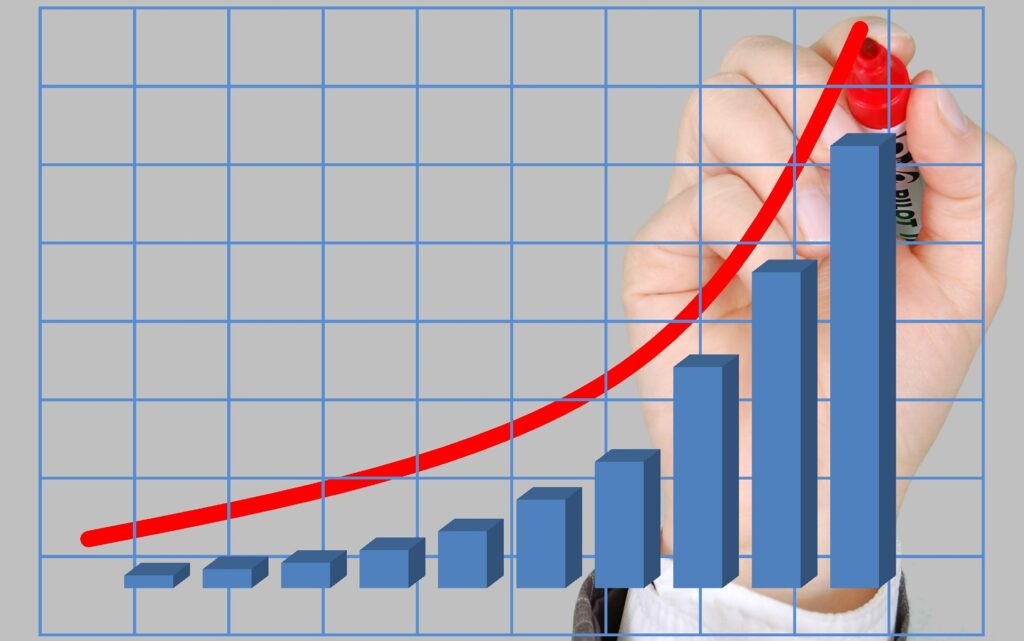
Not all inflation has the same impact on the economy.
Economists generally classify rising prices into several categories based on how quickly costs increase and how they affect consumers, businesses, and financial markets.
Understanding these different types can help investors and consumers better interpret economic conditions.
Creeping Inflation
Creeping inflation refers to slow and gradual price increases, typically between 1% and 3% per year.
This is generally considered healthy because it reflects steady economic growth without significantly reducing consumers’ purchasing power.
Many central banks aim to maintain this level of price growth.
Walking Inflation
Walking inflation occurs when prices rise at a faster pace, usually between 3% and 10% annually.
At this stage, households begin noticing that everyday expenses are becoming more expensive.
Businesses may also face higher operating costs, which can further contribute to additional price increases.
Galloping Inflation
Galloping inflation describes a situation where prices increase rapidly, often by double-digit percentages each year.
During these periods, consumers may lose confidence in the value of money and begin spending quickly before prices rise even further.
Businesses also face greater uncertainty when planning future investments.
Hyperinflation
Hyperinflation is the most extreme form of rising prices.
It occurs when prices increase at an exceptionally high rate over a short period of time, causing money to lose value very rapidly.
Historical examples include countries such as Germany during the 1920s, Zimbabwe in the late 2000s, and Venezuela in recent years.
Hyperinflation can severely damage an economy by reducing savings, disrupting businesses, and making everyday transactions extremely difficult.
Which Type Is Most Common?
Fortunately, most developed economies experience only low and stable price growth.
Central banks work to keep inflation under control because maintaining stable prices supports economic growth, consumer confidence, and long-term investment.
Understanding these categories makes it easier to follow financial news and recognize how different economic environments may affect your personal finances.
How Inflation Affects Your Money
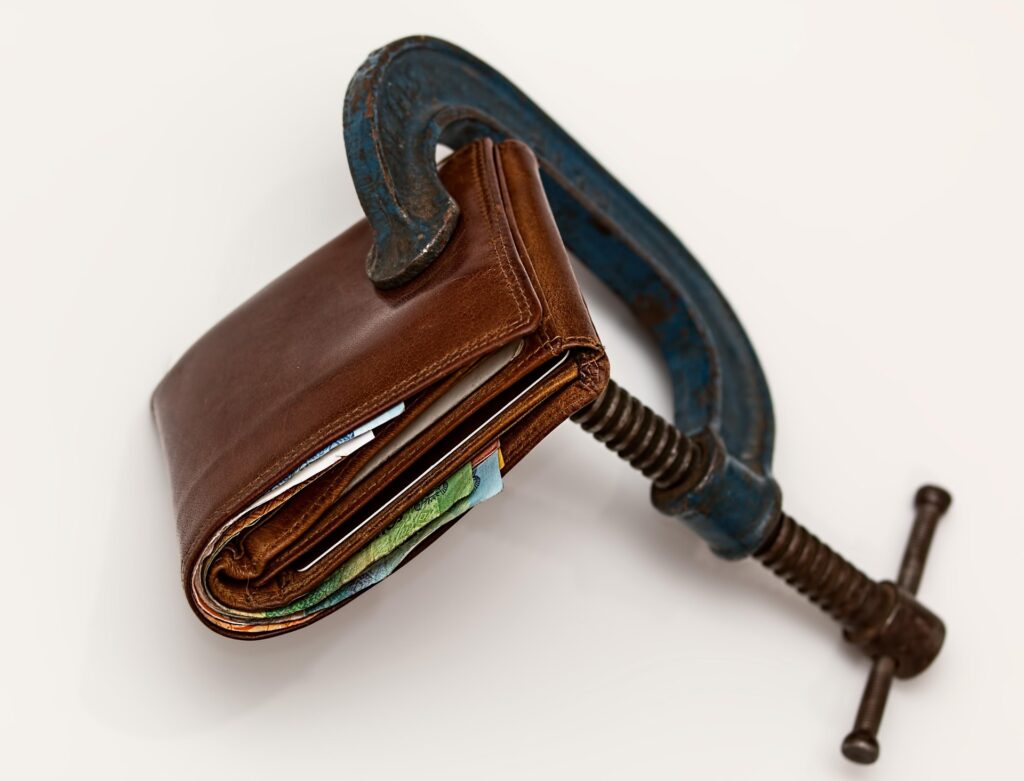
Inflation has a direct impact on your everyday finances.
As the cost of goods and services increases, the purchasing power of your money gradually declines. This means that the same amount of money buys fewer products than it did in the past.
Understanding these effects can help you make smarter financial decisions and better protect your long-term wealth.
Reduced Purchasing Power
One of the biggest consequences of inflation is the loss of purchasing power.
For example, if your salary stays the same while prices continue rising, your money will cover fewer expenses over time.
This is why many workers expect salary increases that keep pace with the cost of living.
Savings Lose Value
Keeping large amounts of cash in a savings account with a very low interest rate can reduce your wealth in real terms.
If your savings earn 2% annually but prices increase by 4%, your purchasing power is actually declining each year.
For this reason, many investors look for assets that have the potential to grow faster than the rising cost of living.
Borrowing Can Become More Expensive
Inflation often influences interest rates.
When central banks raise rates to slow price growth, loans, mortgages, and credit cards usually become more expensive.
Higher borrowing costs can affect both consumers and businesses.
Investments React Differently
Not all investments perform the same way during periods of rising prices.
Some assets have historically provided better protection than others.
Examples include:
- Stocks
- Real estate
- Inflation-protected bonds
- Commodities
The performance of each asset depends on economic conditions, interest rates, and investor confidence.
Everyday Expenses Increase
Most households notice inflation through everyday purchases.
Common expenses affected include:
- Groceries
- Fuel
- Housing
- Utilities
- Healthcare
- Transportation
Over time, even small annual increases can significantly affect a family’s monthly budget.
Planning Ahead Makes a Difference
Although rising prices are a normal part of most economies, careful financial planning can reduce their long-term impact.
Maintaining a diversified investment portfolio, increasing savings when possible, and continuing to invest for the future are some of the most effective ways to protect your financial well-being.
How Investors Protect Themselves Against Inflation
Although rising prices can reduce purchasing power over time, investors have several strategies to help protect their wealth.
The goal is not to eliminate the effects of inflation completely, but to own assets that have the potential to grow faster than the increase in the cost of living.
1. Investing in Stocks
Many companies can increase the prices of their products and services as their operating costs rise.
Businesses with strong earnings and pricing power often continue growing over the long term, making stocks one of the most popular ways to protect wealth.
While stock prices can fluctuate in the short term, they have historically delivered returns that outpace inflation over long periods.
2. Buying Index Funds and ETFs
Index funds and exchange-traded funds (ETFs) allow investors to own hundreds of companies through a single investment.
This diversification reduces risk while providing exposure to businesses that may continue growing even during periods of higher consumer prices.
Many long-term investors use these funds as the foundation of their portfolios.
3. Investing in Real Estate
Property has traditionally been considered a useful hedge against inflation.
As property values and rental income increase over time, real estate can help preserve purchasing power while generating additional income.
Although housing markets experience cycles, real estate has historically remained an important long-term investment.
4. Inflation-Protected Bonds
Some governments issue bonds specifically designed to protect investors from rising prices.
These securities adjust their value based on changes in inflation, helping preserve the real value of invested capital.
They are often used by conservative investors seeking greater stability.
5. Maintaining a Diversified Portfolio
Rather than relying on a single asset, many experienced investors spread their money across different investments.
A diversified portfolio may include:
- Stocks
- Index funds
- ETFs
- Bonds
- Real estate
- Cash reserves
Diversification helps reduce overall risk while improving the portfolio’s ability to perform under different economic conditions.
Focus on the Long Term
Periods of higher inflation are a normal part of economic cycles.
Instead of reacting emotionally to short-term changes, successful investors typically focus on long-term goals, continue investing consistently, and review their portfolios regularly to ensure they remain aligned with their financial objectives.
Does Inflation Still Matter in 2026?
Inflation continues to play a major role in the global economy.
Although price growth has slowed in some countries compared to recent years, rising living costs remain an important concern for households, businesses, and investors.
Understanding how inflation works is just as relevant today as it has always been.
Central Banks Continue to Monitor Price Stability
One of the primary responsibilities of central banks is maintaining stable prices.
When inflation rises too quickly, policymakers may increase interest rates to slow spending and reduce economic pressure.
If price growth becomes too low, they may lower rates to encourage borrowing and investment.
Consumers Still Feel the Impact
Even moderate increases in prices can affect everyday budgets.
Housing, food, transportation, healthcare, and utilities remain some of the largest expenses for most households.
Managing personal finances carefully has become increasingly important in an environment where living costs continue to change.
Investors Must Adapt
Long-term investors should continue reviewing their portfolios to ensure they remain prepared for different economic conditions.
Diversification, consistent investing, and focusing on quality assets remain effective strategies regardless of changes in consumer prices.
Rather than reacting to short-term headlines, successful investors usually maintain a disciplined approach and focus on long-term financial goals.
A Financial Concept Everyone Should Understand
Inflation affects almost every financial decision people make.
Whether you are saving money, investing for retirement, buying a home, or planning your monthly budget, understanding how prices change over time helps you make more informed decisions.
Although economic conditions will continue evolving, this concept will remain one of the most important topics in personal finance and investing.
Frequently Asked Questions
What is inflation?
Inflation is the rate at which the prices of goods and services increase over time, reducing the purchasing power of money.
What causes inflation?
It is commonly caused by higher consumer demand, rising production costs, supply chain disruptions, and changes in the money supply.
Is inflation always bad?
No.
A low and stable level of inflation is generally considered healthy because it often reflects a growing economy. Problems usually arise when prices increase too quickly.
How does inflation affect savings?
If your savings earn a lower return than the rate of inflation, your purchasing power gradually decreases over time.
Which investments can help protect against inflation?
Many investors use stocks, index funds, ETFs, real estate, and inflation-protected bonds to help preserve their long-term purchasing power.
Who measures inflation?
Government agencies calculate inflation using economic indicators such as the Consumer Price Index (CPI), which tracks changes in the prices of commonly purchased goods and services.
Why should investors pay attention to inflation?
Because it influences interest rates, investment returns, borrowing costs, and the overall performance of financial markets.
Conclusion
Inflation is one of the most important economic forces affecting consumers and investors.
As prices change over time, purchasing power, savings, borrowing costs, and investment returns are all influenced in different ways.
Although periods of rising prices can create financial challenges, understanding how inflation works allows individuals to make better decisions and prepare for changing economic conditions.
Building diversified portfolios, investing consistently, and focusing on long-term financial goals remain some of the most effective ways to protect wealth over time.
Whether you are just beginning your financial journey or already have investment experience, understanding inflation will help you manage your money with greater confidence in 2026 and beyond.
About the Author
Lucas Hernández is the founder of Financial Boost Guide, a website dedicated to making investing and personal finance easier to understand for beginners.
He creates practical, well-researched guides that help readers build better financial habits, understand investing with confidence, and make informed financial decisions.
Every article is written with a focus on clarity, accuracy, and long-term educational value.
➡️ Learn more about Lucas and our editorial process on the About page.
Disclaimer: The information provided in this article is for educational purposes only and should not be considered financial, investment, legal, or tax advice. Always conduct your own research or consult a qualified professional before making financial decisions.