
Written by Lucas Hernández
Founder of Financial Boost Guide
Last Updated: July 2026
Reading Time: 8–10 minutes
Financial Boost Guide provides beginner-friendly educational content about investing, personal finance, saving money, and building long-term wealth.
➡️ Learn more about our mission on our About page.
Learning how to invest in the S&P 500 is one of the smartest financial decisions beginners can make. Instead of trying to pick individual winning stocks, investing in the S&P 500 allows you to own a small part of 500 of the largest and most successful companies in the United States through a single investment.
Over the past several decades, the S&P 500 has consistently rewarded patient investors with strong long-term returns. While the market experiences ups and downs, history has shown that staying invested over many years has been one of the most effective ways to build wealth.
Whether you’re starting with $100 or planning for retirement, investing in the S&P 500 is a simple, low-cost strategy suitable for almost anyone. It requires very little maintenance, offers excellent diversification, and eliminates much of the guesswork involved in choosing individual stocks.
In this comprehensive guide, you’ll learn exactly what the S&P 500 is, why millions of investors trust it, how to start investing step by step, the best ETFs to consider, common mistakes to avoid, and practical tips to maximize your long-term returns.
Table of Contents
What Is the S&P 500?
The S&P 500, short for Standard & Poor’s 500, is one of the most widely followed stock market indexes in the world. It tracks the performance of approximately 500 of the largest publicly traded companies in the United States, making it an excellent indicator of the overall health of the U.S. stock market.
The companies included in the index come from a wide range of industries, including technology, healthcare, financial services, consumer goods, energy, and industrial sectors. Some of the most recognizable names include Apple, Microsoft, Amazon, NVIDIA, Alphabet (Google), Meta, Berkshire Hathaway, and JPMorgan Chase.
Unlike investing in just one company, buying into the S&P 500 means your money is spread across hundreds of businesses. This diversification helps reduce risk because poor performance from one company is often balanced by stronger performance from others.
Another important feature of the S&P 500 is that it is market-cap weighted. This means that larger companies have a greater influence on the index than smaller ones. As these companies grow or shrink in value, their impact on the overall index changes automatically.
For most beginners, investing in the S&P 500 is one of the easiest ways to gain exposure to the stock market without having to research and manage dozens of individual stocks.
Why Invest in the S&P 500?
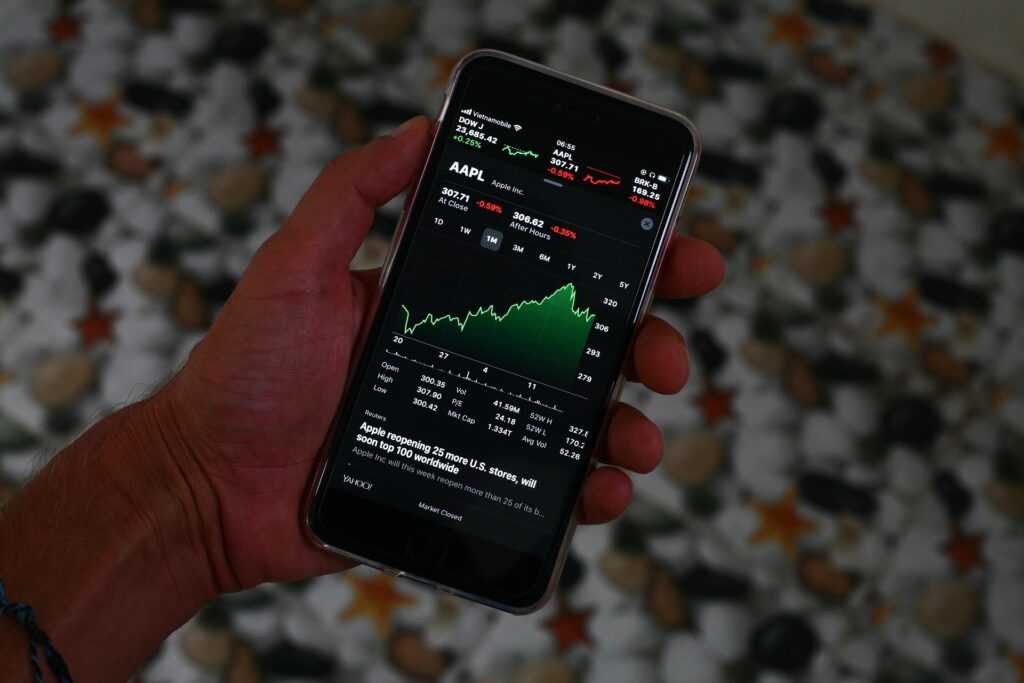
There are many reasons why financial experts recommend the S&P 500 as one of the best investments for beginners. Here are the main advantages.
Excellent Diversification
Diversification is one of the most important principles of successful investing.
When you invest in the S&P 500, your money is automatically spread across hundreds of leading companies from different sectors of the economy. This significantly reduces the risk associated with relying on a single company or industry.
For example, if one technology company performs poorly, strong performance in healthcare, finance, or consumer goods can help offset those losses.
Strong Long-Term Performance
Although the stock market can be volatile in the short term, the S&P 500 has historically delivered an average annual return of around 10% before inflation over long periods.
While no investment guarantees future returns, the index has consistently recovered from major market downturns, including financial crises and economic recessions.
This long-term growth is one of the main reasons why millions of investors use the S&P 500 to build wealth and save for retirement.
Low Investment Costs
Most investors access the S&P 500 through Exchange-Traded Funds (ETFs) or index funds, both of which typically have extremely low management fees.
Lower fees may seem insignificant at first, but over decades they can save investors thousands of dollars and significantly increase overall returns.
Passive and Easy to Manage
Unlike actively trading stocks, investing in the S&P 500 requires very little ongoing effort.
Many successful investors simply contribute a fixed amount every month, hold their investments for many years, and allow compound growth to do the rest.
This strategy reduces emotional decision-making and eliminates the need to constantly monitor the market.
Ideal for Beginners
One of the biggest advantages of the S&P 500 is its simplicity.
Instead of learning how to analyze hundreds of companies individually, beginners can start investing with a single diversified fund. This makes it easier to build confidence while gaining exposure to some of the world’s largest businesses.
If you’d like to learn how diversification can reduce investment risk and improve long-term returns, read our complete guide on how to diversify your investment portfolio.
How to Invest in the S&P 500 Step by Step
Investing in the S&P 500 is much easier than many beginners think. You don’t need thousands of dollars or advanced financial knowledge to get started. By following a few simple steps, you can begin building a diversified investment portfolio that has the potential to grow over the long term.
Let’s go through the entire process.
1: Choose a Reliable Brokerage Account
The first step is selecting a brokerage platform where you’ll buy your investments.
A good broker should offer:
- Low or zero trading commissions.
- Access to S&P 500 ETFs.
- An easy-to-use mobile app and website.
- Strong security and regulation.
- Educational resources for beginners.
Some of the most popular brokers include Fidelity, Charles Schwab, Vanguard, Interactive Brokers, Robinhood, and Trading 212, depending on your country.
Take your time comparing fees, available investment products, and customer support before opening your account.
2: Open and Verify Your Investment Account
Once you’ve selected a broker, you’ll need to create an account.
Most brokers will ask for:
- Your full name.
- Government-issued identification.
- Address.
- Tax information.
- Bank account details.
The verification process usually takes anywhere from a few minutes to a couple of business days.
After approval, you’ll be able to deposit money and start investing.
3: Deposit Funds
Before purchasing an investment, you’ll need to transfer money into your brokerage account.
Many platforms allow you to start with relatively small amounts, making investing accessible even if you’re on a limited budget.
If you’re new to investing, consider starting with an amount you’re comfortable leaving invested for several years.
Remember that investing should always be viewed as a long-term commitment rather than a way to make quick money.
4: Choose an S&P 500 ETF
You can’t invest directly in the S&P 500 index itself.
Instead, investors buy an ETF (Exchange-Traded Fund) or an index fund that tracks the performance of the index.
These funds aim to mirror the returns of the S&P 500 while charging very low management fees.
If you’re still unsure whether ETFs are the right investment for you, compare them with individual stocks in our detailed guide on ETFs vs Stocks: Which Is Better for Beginners?
Some of the most popular options include:
| ETF | Ticker | Expense Ratio | Best For |
|---|---|---|---|
| Vanguard S&P 500 ETF | VOO | 0.03% | Long-term investors |
| iShares Core S&P 500 ETF | IVV | 0.03% | Beginners |
| SPDR S&P 500 ETF Trust | SPY | 0.09% | Active traders |
Before investing, you can review the official methodology and composition of the S&P 500 on the S&P Dow Jones Indices website.
For most beginners, VOO and IVV are excellent choices due to their low fees and long-term focus.
5: Place Your First Order
Once you’ve selected an ETF, search for its ticker symbol inside your brokerage account.
You’ll usually have two options:
Market Order
A market order buys the ETF immediately at the current market price.
This is the simplest option for long-term investors.
Limit Order
A limit order allows you to set the maximum price you’re willing to pay.
Your order will only execute if the ETF reaches that price.
For beginners making long-term investments, market orders are generally sufficient.
6: Invest Consistently
One of the biggest mistakes beginners make is investing once and then forgetting about it.
Instead, many experienced investors follow a strategy known as Dollar-Cost Averaging, where they invest a fixed amount on a regular schedule, such as every month.
For example:
- $100 every month.
- $250 every month.
- $500 every month.
This strategy is known as Dollar-Cost Averaging, one of the most effective ways to reduce the impact of market volatility over time.
This approach helps reduce the impact of short-term market fluctuations and encourages long-term discipline.
7: Stay Invested for the Long Term
The S&P 500 has experienced numerous market crashes throughout history.
However, despite these temporary declines, it has consistently recovered and continued growing over long periods.
Trying to predict short-term market movements is extremely difficult—even for professional investors.
Instead of buying and selling based on emotions, focus on staying invested, continuing to contribute regularly, and allowing compound growth to work over time.
Patience is often one of the most valuable assets an investor can have.
FAQ
Is investing in the S&P 500 safe?
While no investment is completely risk-free, the S&P 500 is generally considered one of the safest long-term stock market investments due to its diversification.
Can I invest with only $100?
Yes. Many brokers allow investors to start with as little as $100 or even less using fractional shares.
Which ETF is best for beginners?
VOO and IVV are among the most popular choices because of their low fees and excellent long-term performance.
How long should I invest?
The S&P 500 is designed for long-term investing. Most experts recommend investing for at least five to ten years.
Can I lose money?
Yes. The market can decline in the short term, but historically it has recovered over long investment periods.
Conclusión
Investing in the S&P 500 is one of the simplest and most effective ways to build long-term wealth. Thanks to its diversification, low costs, and strong historical performance, it has become the foundation of many successful investment portfolios.
The key is to start early, invest consistently, and remain patient during market ups and downs. By focusing on the long term instead of short-term price movements, you’ll give your investments the best chance to grow over time.
Whether you’re investing your first $100 or building a portfolio for retirement, the S&P 500 can be an excellent place to begin your investing journey.
About the Author
Lucas Hernández is the founder of Financial Boost Guide, a website dedicated to making investing and personal finance easier to understand for beginners.
He creates practical, well-researched guides that help readers build better financial habits, understand investing with confidence, and make informed financial decisions.
Every article is written with a focus on clarity, accuracy, and long-term educational value.
➡️ Learn more about Lucas and our editorial process on the About page.
Disclaimer: The information provided in this article is for educational purposes only and should not be considered financial, investment, legal, or tax advice. Always conduct your own research or consult a qualified professional before making financial decisions.